
 Serving Hartford & Middlesex County, CT

Yard Grading in Hartford & Middlesex County
Yard grading for houses where rain runs toward the foundation instead of away from it. We reshape the ground with our own machines so water heads off the property, and regrade yards that have settled the wrong way.
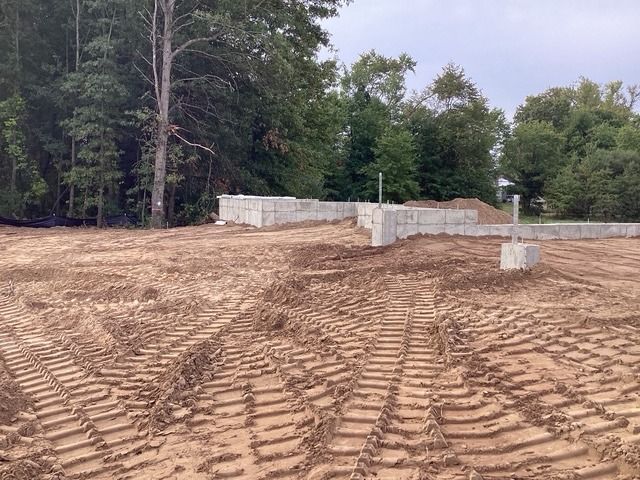
When Grading Is the Fix
Grading sets which way rain runs off your yard. Near the house, the ground should slope away on every side.
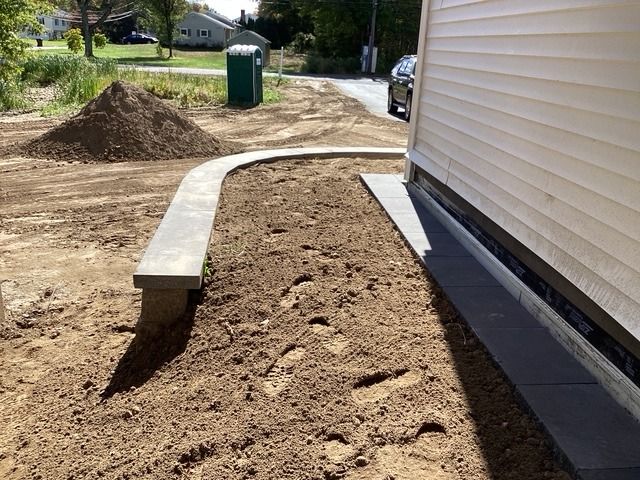
Rain runs toward the house
Water sheets across the lawn to the foundation, washes out the beds, or leaves a wet line along the wall after a storm.
The ground has settled
Backfill around a house sinks over the years. Ground that once sloped away can end up sloping in.
Around a new build or addition
Rough grading after the foundation is backfilled, so the lot is shaped before the lawn goes in.
Foundation excavation- If the water is coming up from below rather than running across the top, grading won't solve it, and a drain is usually the better fix.
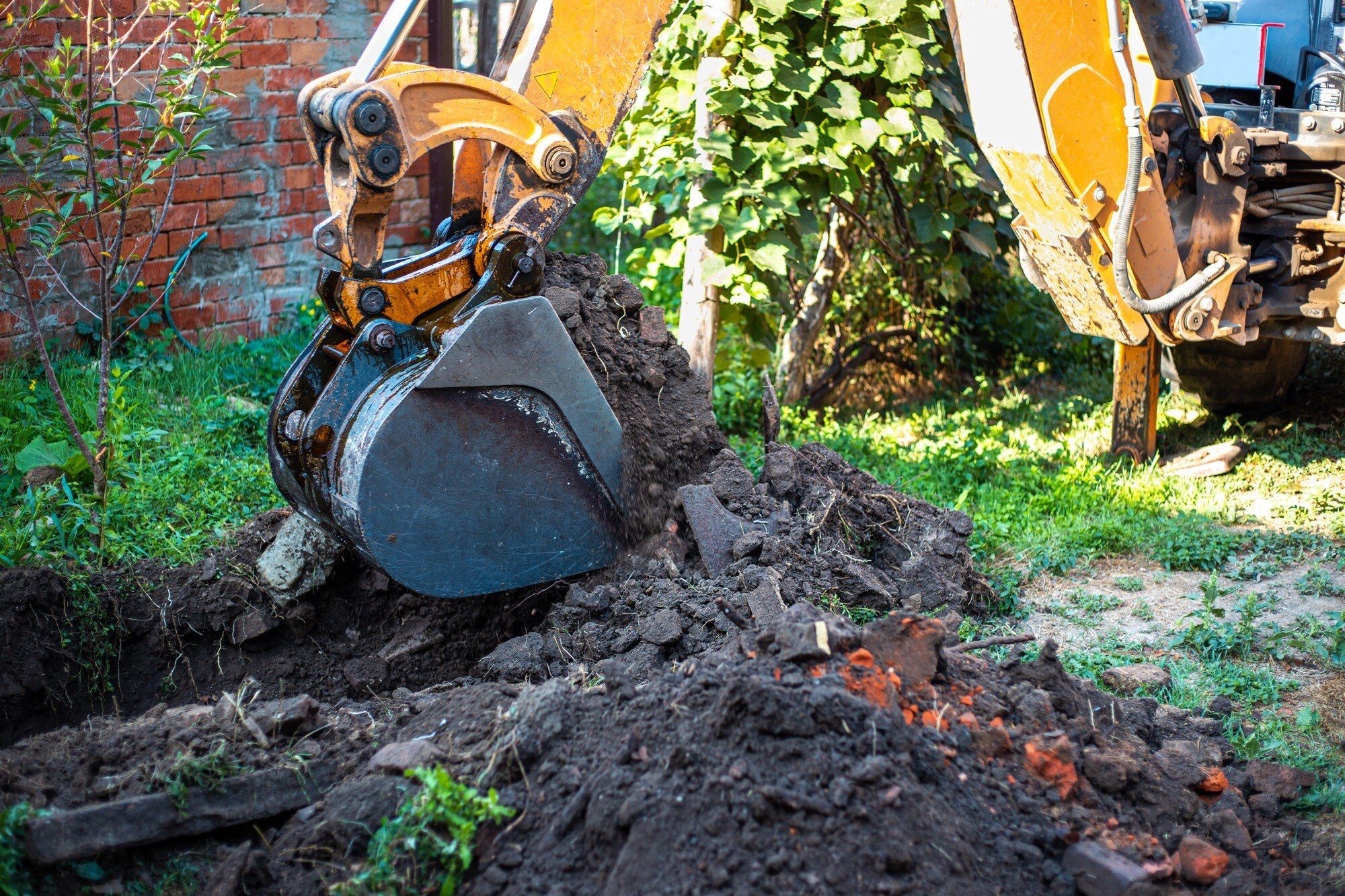
How to Tell Whether Grading Will Fix It
Grading fixes surface water: rain and runoff flowing over the ground the wrong way. It doesn't fix groundwater, which moves under the surface. Watch the yard during a heavy rain and you can usually tell which you have.
Some yards need both: a regrade near the house and a drain farther out. Send photos taken during or right after rain and we can usually tell which.
- Water flows across the lawn toward the house while it's raining: grading.
- Puddles form against the foundation: grading, and check the downspouts.
- The lawn stays soggy for days after the rain stops: usually a drain.
- Water seeps out of a slope above the house: a curtain drain.
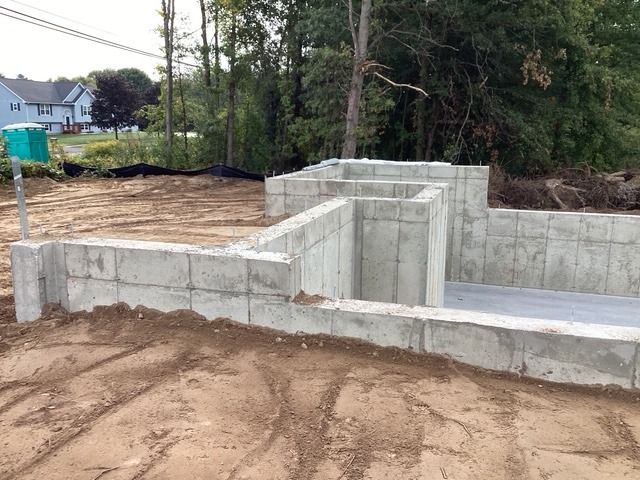
How Much Fall the Ground Needs
A common rule of thumb is about 6 inches of drop in the first 10 feet out from the foundation. Past that, the water needs somewhere to go: a lower part of the lot, a swale that carries it around the house, or a drain.
The grade can't send water onto a neighbor's property. Where the lot is tight, a shallow swale along the side often does the job.
We leave the ground at rough grade, and we can spread topsoil and seed if you'd like.
Ask About Your Yard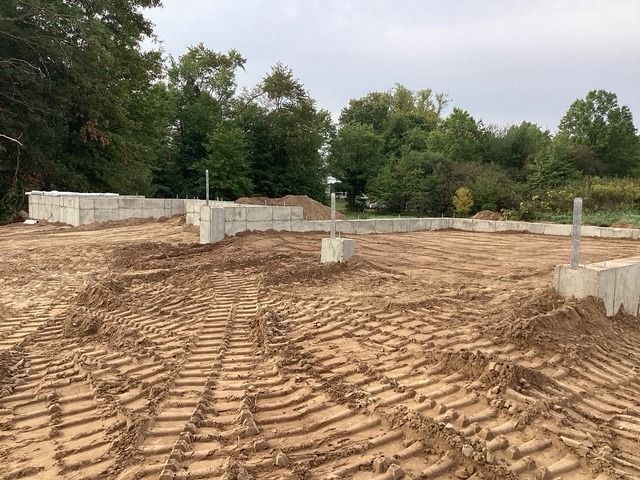
Yard Grading Cost
We price grading once we've seen the yard, either in photos or in person.
Before any digging, buried utility lines need to be marked through Call Before You Dig (811). We file that request ourselves before every job.
- Area: how much of the yard has to be reshaped.
- How far off the grade is: a few inches of change, or a lot of soil moved.
- Fill: whether there's enough soil on site, or more has to be brought in.
- Ledge and rock: common in Connecticut yards, and slow to work around.
- Access: gates, fences, patios and trees decide which machine fits.
- What's in the way: walkways, beds and buried lines near the house.
- Finishing: topsoil, seed or sod on top.
Watch it during a heavy rain. If water runs toward the house or pools against the foundation, the grade is working against you. If the lawn stays wet for days after, the problem is more likely groundwater, and a drain is the fix.
Rough grading shapes the ground with machines: setting the slope and moving soil where it needs to be. Finish grading smooths the top layer for seed or sod. We do the rough grading, and can spread topsoil and seed if you ask.
It will if the water is coming from rain running toward the house. It won't stop groundwater coming up from below or seeping in from a slope, and for that you'd need a drain.
Many towns don't require one for a small regrade around a house, but rules vary, and work near wetlands or that changes how water leaves the lot can need approval. Ask your town before you start.
Show Us Which Way the Water Runs
Send a few photos, ideally taken during or right after rain, and we'll get back to you by email. You can also call (860) 883-6201.